Hose guide for Brazilian iron ore and agribusiness fleets
Abrasive ore, humid northern weather and the cost of importing: how they shape hose life and buying.
What Brazilian mines and farms do to hydraulic hose
Brazil combines very abrasive iron ore, a long rainy season in the north and huge agricultural fleets. Each one changes what we quote.
| Condition | What it does to hose | How we quote for it |
|---|---|---|
| Red iron-ore dust | Fast cover wear where hoses rub | Abrasion sleeves and spiral guards on exposed runs, listed on the quotation |
| Amazon rainy season | Mud and constant moisture in Pará | Corrosion-protected fittings and kits planned before the rains |
| High import costs | Every shipment carries fixed customs costs | Machine kits consolidated into fewer, larger imports |
| Mixed agricultural fleets | Tractors and harvesters need many small assemblies | Braided assemblies built from sample, labelled by machine |
Abrasion from iron ore
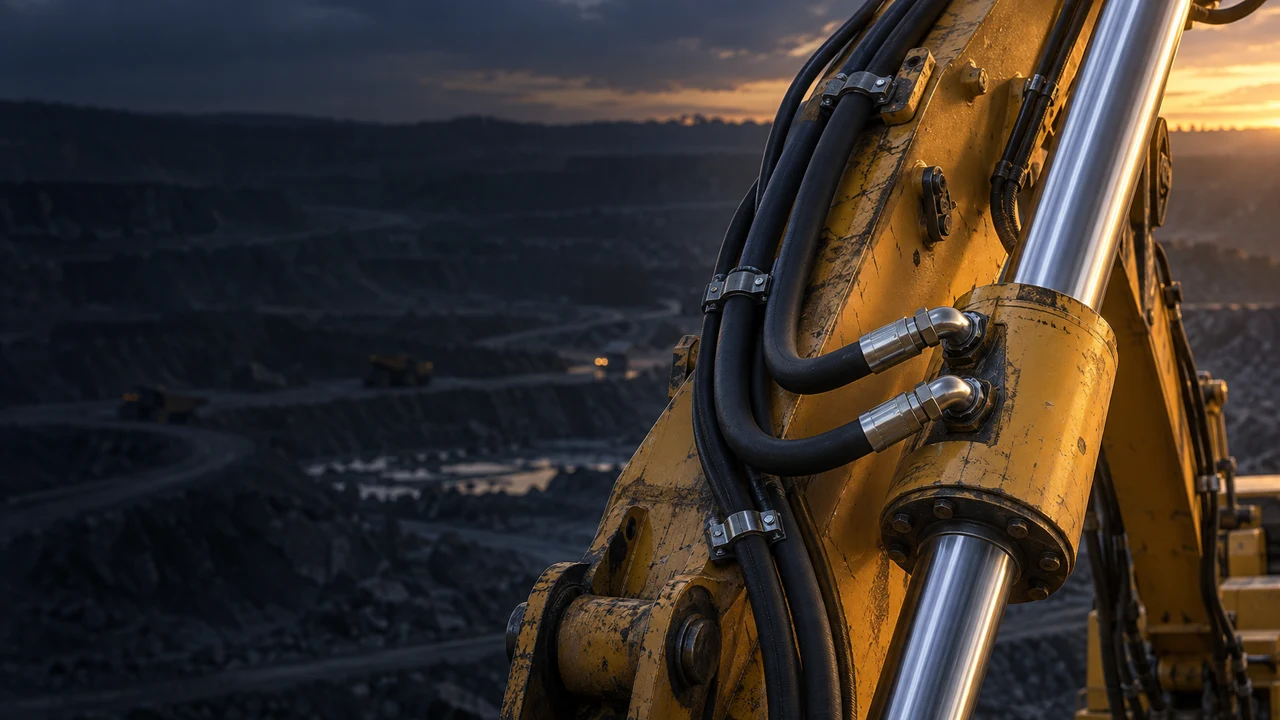
Iron ore dust is hard and abrasive. Where hoses touch the frame or each other, it wears the cover quickly. Abrasion-resistant covers, sleeves and correct clamping are the main defences, and they are worth specifying on every exposed position.
Moisture in the north
In Pará, months of rain and mud keep fittings wet. Corrosion at ferrules and nuts weakens assemblies even when the hose looks fine. Inspect ends closely after the rainy season.
Buying efficiently
Because each import carries fixed costs, it pays to combine a year of hose changes into kits per machine and import them together, rather than importing single hoses. Your importer can tell you the landed cost before you order.
Checklist for maintenance teams
- Specify sleeves on exposed positions
- Inspect ferrules after the rainy season
- Record hose and fitting types per position
- Combine hose changes into machine kits
- Check landed cost with your importer first